What Cross-Connection Control Means
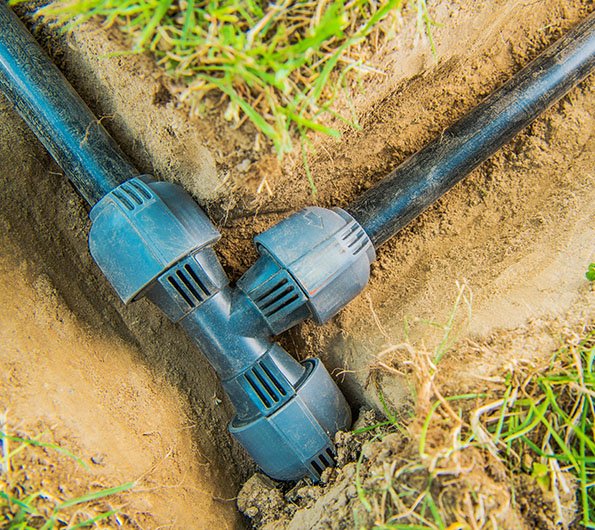
A cross-connection is any physical connection between a potable water supply and a nonpotable source where contamination could occur. In an irrigation system, the crossconnection typically exists at the point where your sprinkler piping connects to the household water supply. Cross-connection control refers to the methods and devices used to eliminate or protect that connection so the potable system stays safe. Backflow assemblies are a key part of cross-connection control because they are designed to
prevent contaminated water from traveling backward into the drinking water system under
abnormal pressure conditions.
What a Backflow Assembly Is
A backflow assembly is a testable mechanical device installed on your irrigation system’s water supply line. Its purpose is to ensure water flows in only one direction, toward your irrigation system, while preventing reverse flow into the potable supply. Backflow assemblies are installed to meet code requirements, protect public health, and maintain compliance with local water purveyors and jurisdictions.
How Backflow Happens
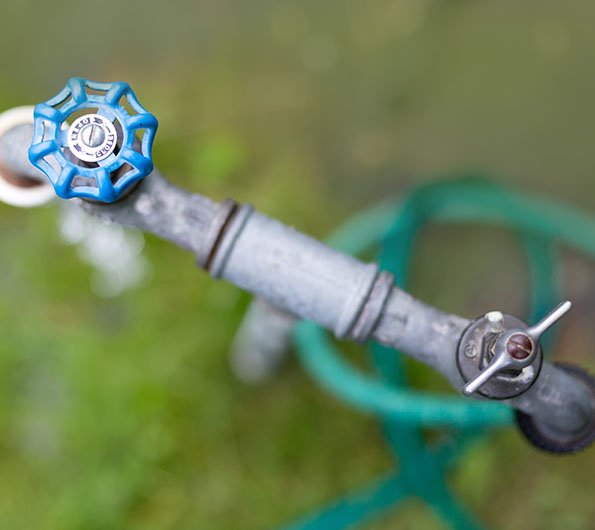
Backflow can occur under two main conditions:
- Back siphonage: When the supply pressure drops (such as during a mainline break, hydrant use, firefighting, or heavy municipal demand), water can be pulled backward into the potable system.
-
Backpressure: When downstream pressure becomes greater than supply pressure, forcing water to push backward. This can happen in certain plumbing configurations or pressure-related scenarios.
Both situations can cause contaminated irrigation water to move in the wrong direction if proper backflow protection is not installed and maintained.
How Backflow Assemblies Work
Backflow assemblies contain internal components designed to prevent reverse flow,
including check valves, air inlet mechanisms, and relief components depending on the
type of assembly. Under normal conditions, water flows forward as intended. If pressure
conditions change and water attempts to reverse, the assembly is designed to stop that
movement and protect the potable system. Because these internal parts can wear over
time due to debris, mineral buildup, freezing conditions, and general use, assemblies must
be tested and maintained regularly to confirm they are functioning properly.
Common Backflow Types (Treasure Valley)
Backflow devices and assemblies vary depending on system design and jurisdictional
requirements. Common types include:
- PVB (Pressure Vacuum Breaker): The most common backflow assembly found on residential irrigation systems.
- RP / RPZ (Reduced Pressure Assembly): Typically used where a higher level of protection is required. These assemblies can discharge water as part of normal operation under certain conditions.
- DCVA (Double Check Valve Assembly): Sometimes present on older or grandfathered systems, depending on local standards.
- SVB (Spill-Resistant Vacuum Breaker): Less common in typical residential irrigation, but may be encountered in certain configurations, including some indoor installations.
- AVB (Atmospheric Vacuum Breaker): Common on potable hose bibs and certain fixtures. AVBs are devices, not testable assemblies, and they are not tested in the same manner as PVB, RP, or DCVA assemblies.
Annual Testing and Ongoing Maintenance
Backflow assemblies should be tested annually based on your previous test date and
should never exceed one year between tests. Testing can be performed early if a new
schedule is preferred. Many homeowners choose to pair annual backflow testing with a
system start-up, which simplifies scheduling and often allows for one visit rather than two.
Testing schedules can fill quickly in peak season, so calling early or requesting placement
on a recurring annual list can be beneficial. Regular maintenance matters because an
assembly can appear fine externally while internal components have failed or weakened.
Annual testing confirms the assembly is operating correctly and provides documentation
for the appropriate jurisdiction or water purveyor when required.
Homeowner Do’s and Don’ts
Do:
Backflow can occur under two main conditions:
- Keep the assembly accessible and testable at all times. Avoid blocking it with fencing, landscaping, facilities, or storage.
- Maintain proper installation standards. For PVBs and similar assemblies, ensure the device remains at least 12 inches above all downstream outlets. This prevents submergence of key components that allow the assembly to operate as intended.
- Keep test cocks protected using test cock caps to prevent debris intrusion.
- Protect the assembly from freezing by using an insulated cover during winter and following proper winterization practices, including draining test cocks and leaving ball valves at a 45-degree position when appropriate.
- Monitor the area around the assembly periodically for changes, damage, or leaking.
Don’t:
- Do not tamper with test cocks, shutoff valves, or internal components.
- Do not attempt DIY repairs or replacements without professional guidance or recommendation.
- Do not bury, enclose, or alter the assembly location in a way that prevents testing or violates height/orientation requirements.
Warning Signs and When to Call a Professional
Contact a certified tester or irrigation professional promptly if you notice:
- Leaks at shutoffs, unions, test cocks, or around the assembly body
- Cracking, physical damage, or signs of impact
- Ongoing discharge (especially on RP assemblies)
- A failed annual test result that requires repair or replacement
- Any concern that the device may have frozen or been damaged during winter
Maintaining your backflow assembly is not only about compliance. It is a key part of
protecting your property, your system, and the shared community water supply